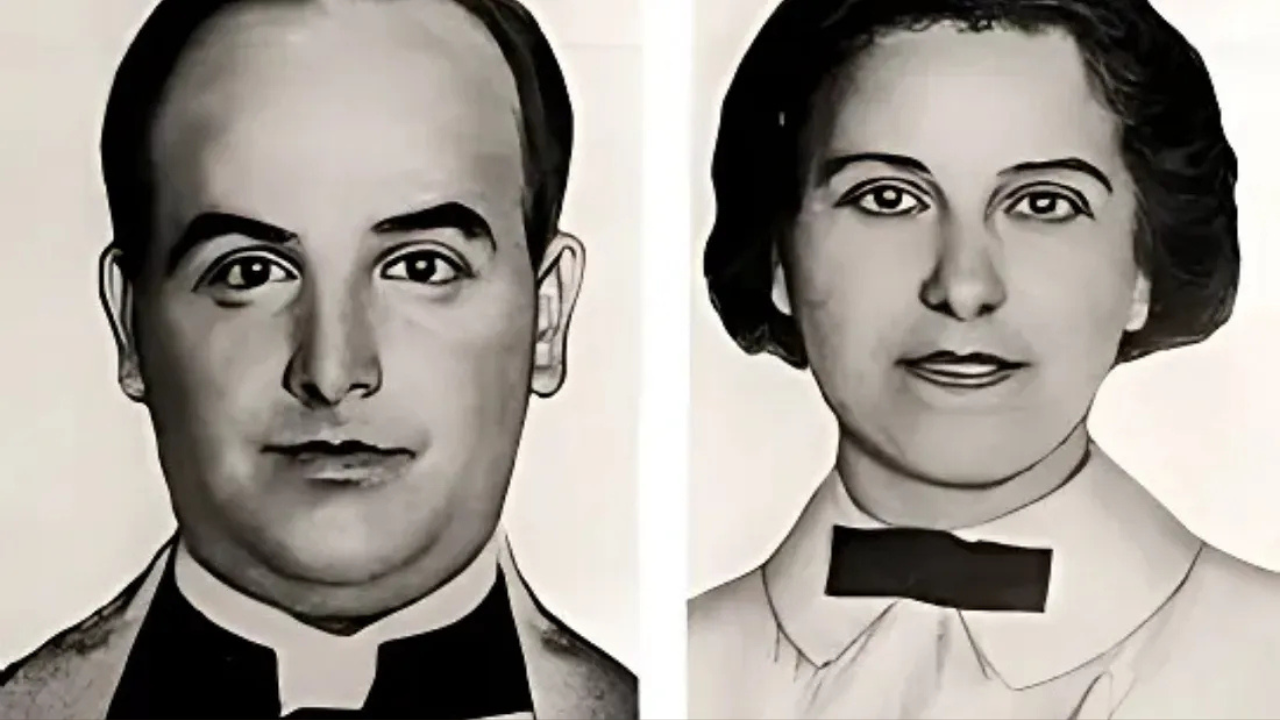
Some crimes fade into history, but others leave behind a trail of unanswered questions. The Hall-Mills murder, a tragic case from 1922, still stands as one of America’s most infamous mysteries, and Edward Wheeler Hall and Eleanor Mills were at the center of it all. This story was a scandalous mix of love, betrayal, and high society drama — one that captured the nation’s attention and became one of the earliest media circuses.
The Discovery of the Bodies
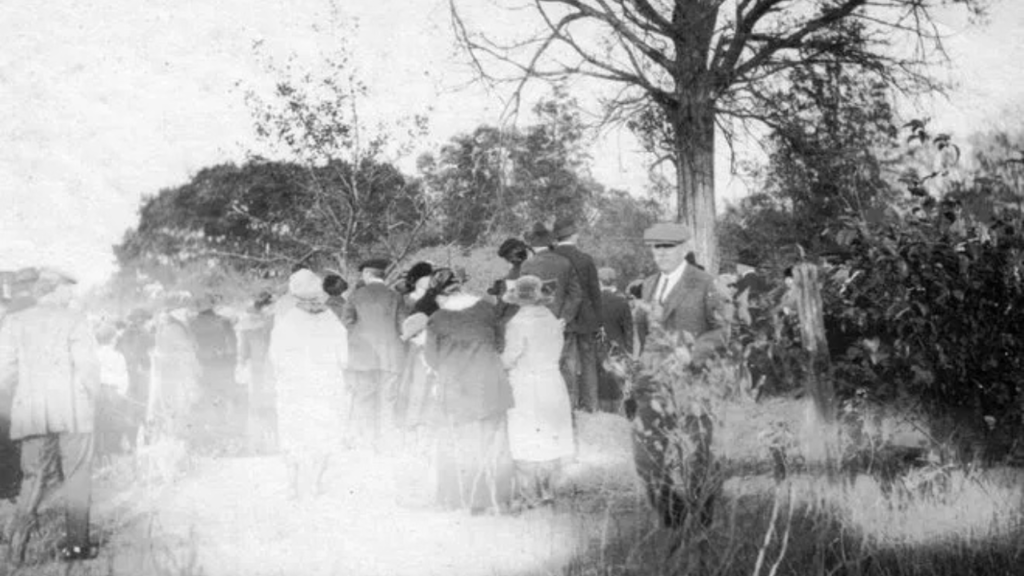
On the morning of September 16, 1922, a gruesome discovery was made in a field near a farm in Somerset County, New Jersey. Lying side by side under a crab apple tree were the bodies of Edward Wheeler Hall, an Episcopal priest, and Eleanor Mills, a choir singer from his church. The two had been lovers, carrying on a well-known affair, despite both being married to other people.
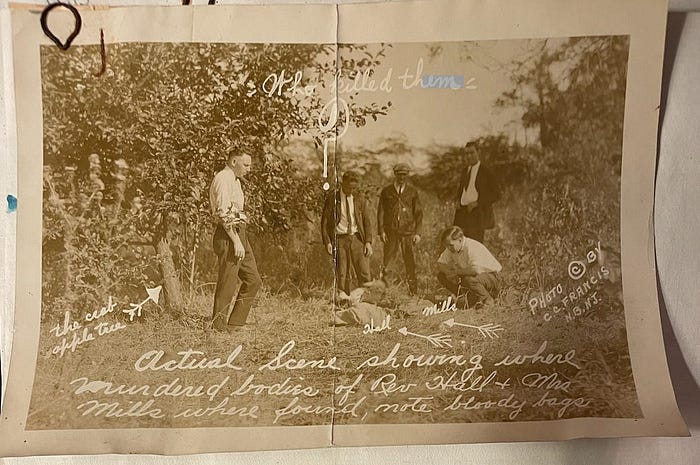
Both had been shot in the head — Edward once, and Eleanor three times. A police officer at the scene noticed something even more disturbing: Eleanor’s throat had been slashed, and maggots had already infested the wound, suggesting they had been dead for at least a day.
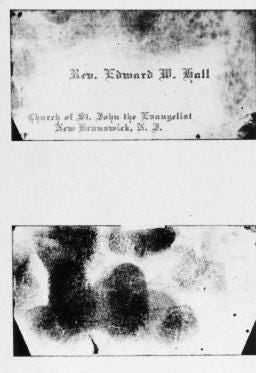
Their bodies seemed carefully arranged. Edward’s hat was placed over his face, and his calling card lay at his feet. Torn-up love letters were scattered between them. The scene told a story of love and murder, but who would want them dead? And why?
A Crime Scene in Chaos
The investigation got off to a disastrous start. The crime scene sat near the border between two counties, which led to confusion over jurisdiction. While officials debated who should take charge, curious onlookers swarmed the area, trampling evidence and even taking souvenirs. A crucial piece of evidence — Edward Hall’s calling card — was passed from person to person before being returned.
Eleanor, 34, was identified by her husband, James Mills, a church sexton. She had been wearing a blue dress with red polka dots, black silk stockings, and brown shoes. Her hat lay nearby, and a brown silk scarf was wrapped around her throat. Bruises and small cuts on her body suggested a struggle before she died.
Edward, 41, was a respected minister, married to Frances Noel Stevens Hall, a woman from one of New Jersey’s wealthiest families. He was found with his arm stretched toward Eleanor, his glasses still in place. His gold watch was missing, but coins were left in his pocket. It was clear this wasn’t a robbery — it was something much more personal.
The Investigation and The Accused
Suspicion quickly fell on Edward’s wife, Frances, and her wealthy brothers, Henry and William Stevens. Rumors swirled that Frances had discovered the affair and, in a fit of rage, orchestrated the murders with the help of her brothers. However, the first investigation in 1922 led to no arrests.
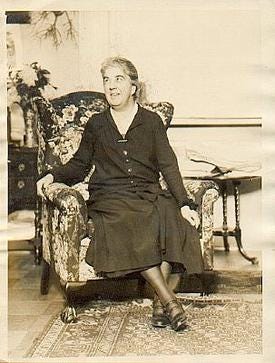
Four years later, thanks to relentless media speculation, a second investigation was launched. This time, Frances, Henry, and William were all arrested and charged with the murders. Another relative, Henry Carpender, was also accused but never stood trial.
The Trial of the Century
The trial began in November 1926 and was a spectacle. The Hall-Mills case had already fascinated the public, but now it took center stage. Newspapers followed every twist and turn, eager to report on the scandalous details of infidelity, high society, and brutal crime.
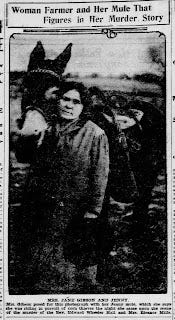
The prosecution’s star witness was Jane Gibson, a pig farmer who lived near the crime scene. She claimed to have seen the murder take place. According to her, she had gone outside after hearing noises and spotted four figures near the crab apple tree. Gunshots rang out, and she saw someone collapse. But Jane’s story changed several times, and the defense painted her as unreliable and mentally unstable.
In the end, the jury acquitted Frances and her brothers. No one else was ever charged, and the case officially went cold.
The Lingering Mystery
Despite the acquittals, the whispers never stopped. Many believed Frances and her family were guilty but had used their wealth and influence to escape justice. Others questioned whether a jealous lover or another unknown party had committed the crime. The missing murder weapon, the botched crime scene investigation, and conflicting witness accounts ensured the truth remained elusive.
Today, more than a century later, the Hall-Mills murders remain one of America’s great unsolved mysteries. The case serves as a haunting reminder of how power, privilege, and scandal can shape the course of justice — and how some secrets might never be revealed.
If this story was of interest to you, check out the unsolved case of Dean and Tina Clouse. This case has many twists and turns that still baffle investigators till this day.




No Comments